Housing and Aftercare

Summary: Drug Rehab Aftercare in Washington
- Drug rehab aftercare provides ongoing support that helps individuals maintain sobriety after completing treatment.
- Continued therapy, relapse prevention planning, sober living, and peer support help individuals navigate the challenges of early recovery.
- Rebuilt Treatment & Recovery in Spokane offers structured aftercare programs, supportive housing, and recovery-focused activities designed to promote long-term stability and independence.
Drug Rehab Aftercare in Washington
Completing a drug rehab program is a major milestone, but recovery does not end when formal treatment ends. For many people, the transition back into daily life can present new challenges. Stress, environmental triggers, and returning responsibilities can make this stage of recovery particularly vulnerable. This is why drug rehab aftercare is such an important part of the recovery process. Aftercare programs provide ongoing guidance, accountability, and support that help individuals maintain the progress they have made during treatment.
At Rebuilt Treatment & Recovery in Spokane, Washington, we believe that recovery is a long-term journey. Our approach focuses on helping individuals rebuild stability, confidence, and independence through structured treatment and continued support services designed to strengthen long-term sobriety.
What Is Drug Rehab Aftercare?
Drug rehab aftercare refers to the support services and recovery resources individuals use after completing an addiction treatment program. These services are designed to help people maintain sobriety while navigating life outside of intensive treatment. Aftercare is often considered the final stage of the treatment process, but in reality it is an ongoing support system that helps reinforce the tools and coping strategies learned during rehab.
Drug rehab aftercare programs may include:
- Outpatient counseling sessions
- relapse prevention planning
- sober living housing
- peer support groups
- ongoing case management
- employment and life skills support
- wellness and recovery-focused activities
These services help individuals remain connected to recovery resources while gradually rebuilding independence after addiction.
Why Drug Rehab Aftercare Is So Important
Addiction recovery is not a single event — it is a process that unfolds over time. Research consistently shows that individuals who remain connected to recovery support systems have better long-term outcomes than those who leave treatment without structured follow-up care.
Early recovery can be particularly challenging. Individuals may face:
- exposure to previous triggers or environments
- rebuilding relationships with family members
- returning to work or school
- managing stress without substances
- adjusting to new routines and responsibilities
Drug rehab aftercare provides guidance and accountability during this transition period. Continued support helps individuals stay focused on recovery goals while navigating these life changes.
Key Components of Effective Drug Rehab Aftercare
Effective aftercare programs typically include a combination of professional support, peer support, and structured recovery activities.
Continued Therapy and Counseling
Ongoing counseling sessions help individuals continue addressing the underlying factors that contributed to substance use. Therapy also helps reinforce coping strategies that reduce relapse risk. Many individuals benefit from continued individual counseling, group therapy, or family therapy sessions during aftercare.
Relapse Prevention Planning
Relapse prevention is one of the primary goals of aftercare programs. During treatment, individuals learn how to identify triggers, manage cravings, and respond to stressful situations in healthy ways. Aftercare reinforces these skills and helps individuals apply them in real-world situations.
A relapse prevention plan may include:
- identifying personal triggers
- developing coping strategies
- creating a daily routine that supports recovery
- building a network of supportive people
- establishing accountability systems
These strategies help individuals stay prepared for potential challenges.
Sober Living Environments
Some individuals benefit from a structured living environment during early recovery. Sober living homes provide a supportive setting where residents can practice recovery skills while maintaining accountability.
These environments often include:
- house guidelines that support sobriety
- peer accountability
- curfews and structure
- recovery meetings and support activities
Sober living can be especially helpful for individuals who may not have stable or supportive housing after treatment.
Community Support and Peer Networks
Peer support groups are another important component of aftercare. Programs such as Twelve-Step meetings or other recovery groups provide opportunities for individuals to connect with others who understand the challenges of addiction recovery.
Regular participation in peer support meetings helps individuals:
- build a supportive community
- share experiences and challenges
- stay accountable in their recovery
- maintain motivation and encouragement
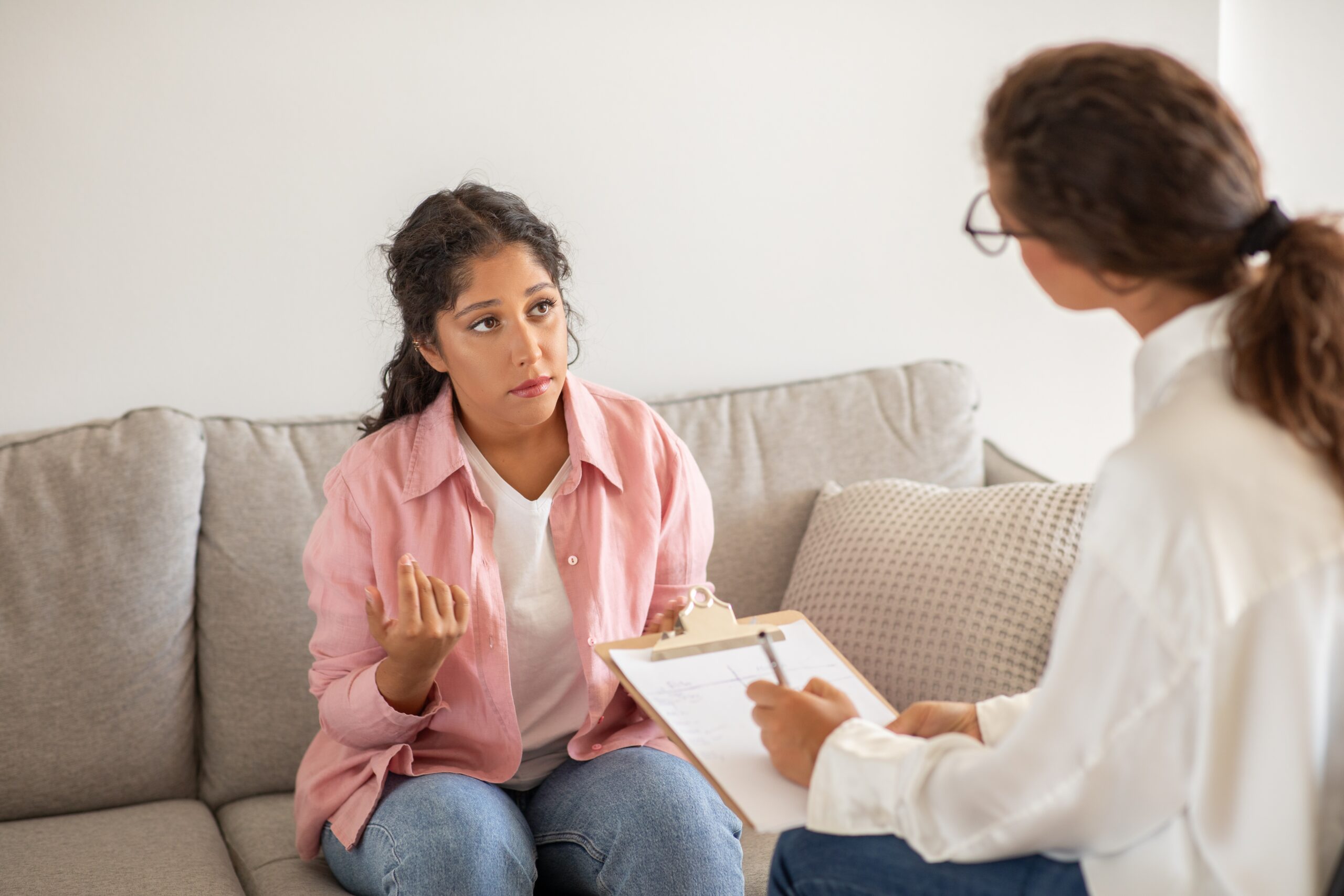
Drug Rehab Aftercare at Rebuilt Treatment & Recovery
At Rebuilt Treatment & Recovery, we emphasize long-term recovery support through structured programs and practical life resources. Our Spokane-based program is designed to help individuals maintain sobriety while rebuilding stability in their daily lives.
Our levels of care include:
These programs provide continued therapeutic support while allowing individuals to gradually increase independence and return to daily responsibilities.
Sober Living and Accountability in Recovery
One of the unique aspects of the Rebuilt Treatment & Recovery program is access to structured sober living options connected to treatment. These residences provide additional support for individuals who benefit from living in a recovery-focused environment.
The sober living program includes:
- two male sober living houses
- 17 total beds across the properties
- one home located on two acres of land
- structured accountability systems
- facility technicians who help maintain house guidelines
Living in a sober environment helps individuals build healthy routines and maintain accountability during early recovery.
Building Structure Through Recovery Activities
Recovery is about building a fulfilling life without substances. Structured activities and positive routines can play a major role in this process. At Rebuilt Treatment & Recovery, clients have opportunities to participate in recovery-supportive activities that encourage connection, accountability, and personal growth.
Examples of these activities may include:
- sober social activities
- community engagement opportunities
- group recreational outings
- physical wellness activities such as gym memberships
These activities help individuals reconnect with healthy experiences and build supportive relationships during recovery.
Transportation and Accessibility Support
Accessing treatment and recovery resources can sometimes be a barrier for individuals seeking help. Rebuilt Treatment & Recovery works to remove these barriers by offering transportation assistance and logistical support.
Support may include:
- transportation to and from treatment appointments
- rides to recovery meetings
- weekend transportation for grocery shopping
- transportation to religious institutions when needed
These services ensure that individuals remain connected to recovery resources while rebuilding independence.
Frequently Asked Questions About Drug Rehab Aftercare
Drug rehab aftercare can last for several months or even years depending on individual needs. Many people benefit from continuing counseling, support groups, or sober living environments for an extended period after treatment.
While aftercare is not always required, it is strongly recommended. Continued support significantly improves long-term recovery outcomes and helps individuals maintain the progress made during treatment.
Relapse can be a part of the recovery process for some individuals. Aftercare programs help people recognize warning signs early and reconnect with treatment resources if additional support is needed.
Yes. Many aftercare programs include ongoing therapy sessions such as individual counseling or group therapy. These services help reinforce recovery strategies and address challenges that arise after treatment.
Yes. Many aftercare programs are designed to support individuals as they return to work, school, or family responsibilities. Flexible outpatient services allow clients to maintain recovery support while rebuilding their daily lives.
Continue Your Recovery Journey With Rebuilt Treatment & Recovery
Long-term recovery requires more than completing a treatment program. Continued guidance, accountability, and supportive resources are essential for maintaining sobriety and building a stable life in recovery. At Rebuilt Treatment & Recovery, our programs are designed to help individuals move forward with confidence. Through structured treatment, supportive housing options, case management services, and recovery-focused activities, we help clients rebuild their lives one step at a time.
If you or a loved one is searching for drug rehab aftercare in Washington, Rebuilt Treatment & Recovery offers compassionate support and structured programs designed to help individuals maintain lasting recovery.
Explore All of Our Services
Life Skills
One of the many ways RTR will help clients with life skills is by teaching them how to communicate effectively and learning how to deal with thoughts and emotions in a healthy and beneficial way.
Process Group
Being a part of a process group at RTR allows feedback, perspective, and accountability from peers and helps challenge one another on negative beliefs and behaviors, while providing support and encouragement to make positive changes.
Relapse Prevention
Relapse Prevention is a crucial aspect of addiction treatment focusing on identifying triggers, developing coping strategies, and creating a supportive environment to minimize the risk of relapse.